For Teduray and Lambangian:
Seeds are a living heritage, a food for the future, and a part of culture
For Teduray and Lambangian:
Seeds are a living heritage, a food for the future, and a part of culture
Written by Rizell Campo at Rachel Tahay, Inged Umalohokan
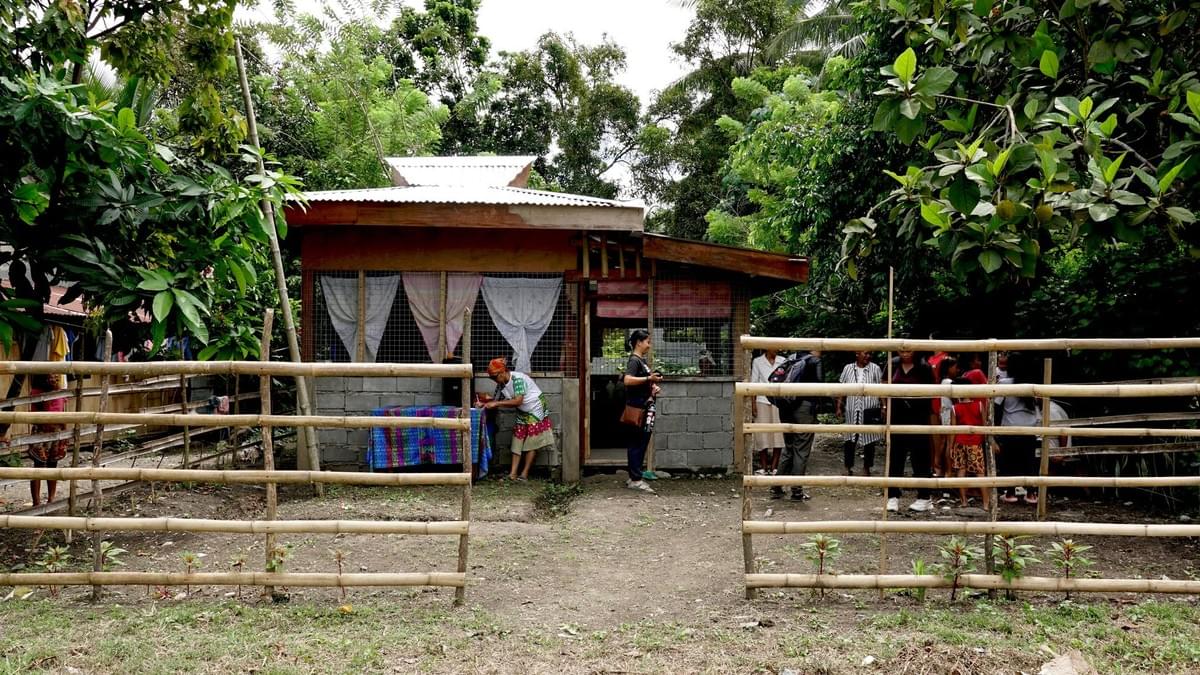
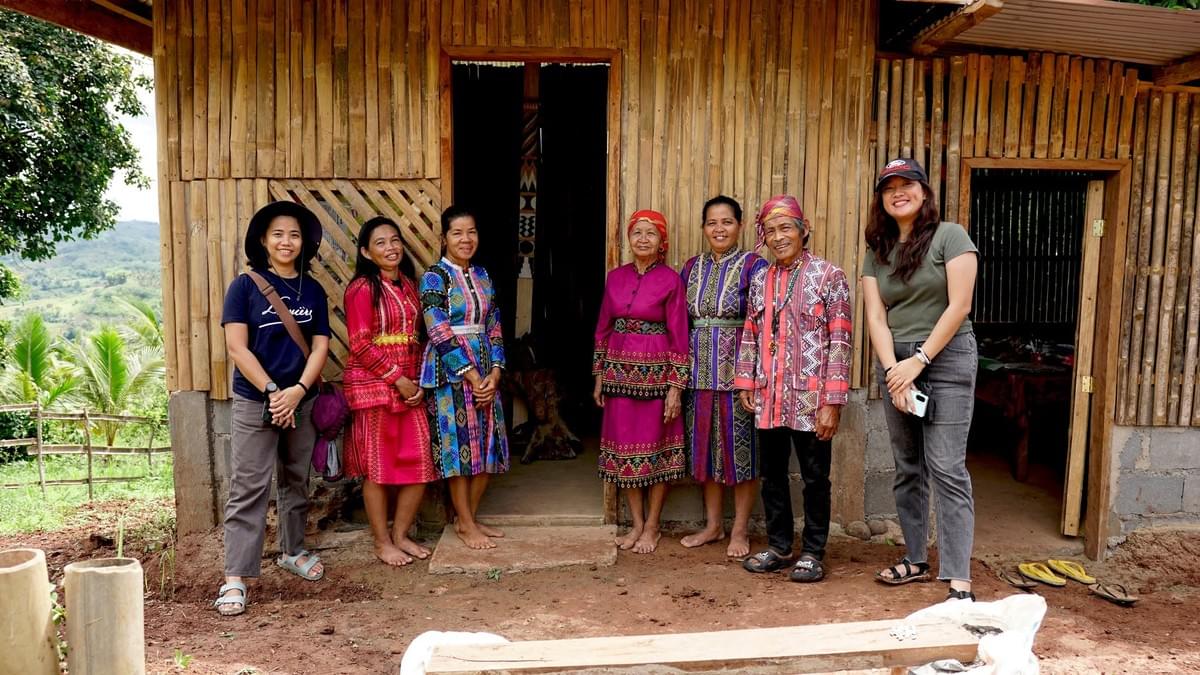
Maguindanao - Amidst rapidly changing weather patterns, shrinking agricultural lands, environmental challenges, and the threats brought by climate change, the Teduray and Lambangian continue to protect, preserve, and care for the “kiwot” (seedbank). The kiwot is a storage facility for Indigenous seeds that have been passed down from Indigenous ancestors over many generations.
The kiwot is a facility made of bamboo, cogon, and other traditional materials. It is not merely a structure or facility, but a living tradition, a bridge between the past and the future, and a foundation for the survival and food security of Indigenous communities. It is also deeply rooted in the beliefs, customs, and traditional knowledge inherited from their ancestors.
Alongside strengthening the system for the preservation, storage, and exchange of traditional seeds is the strengthening of traditional and Indigenous farming systems. The way of life and customs of the Teduray and Lambangian are centered on the land and nature. Their farming practice is called Sulagad. It is organic and does not use chemicals. They also observe beliefs such as looking at the movement of the stars as a calendar. This is different from the commercial seeds and farming methods promoted by large corporations and businesses.
According to Indigenous leaders, this has a deep connection to the land, seasons, culture, and way of life of every person in Indigenous communities.
The names or terms for the containers where the seeds are stored inside the kiwot include Këleleng, Simbit, Tabungos, Biton, Kënentoy, Tëruntong, Bëruyot, and Sufo. The kiwot does not only contain seeds. It also holds the knowledge of how to select the seeds, how to properly prepare them for planting, how to care for them, and how to pass this knowledge on to future generations.
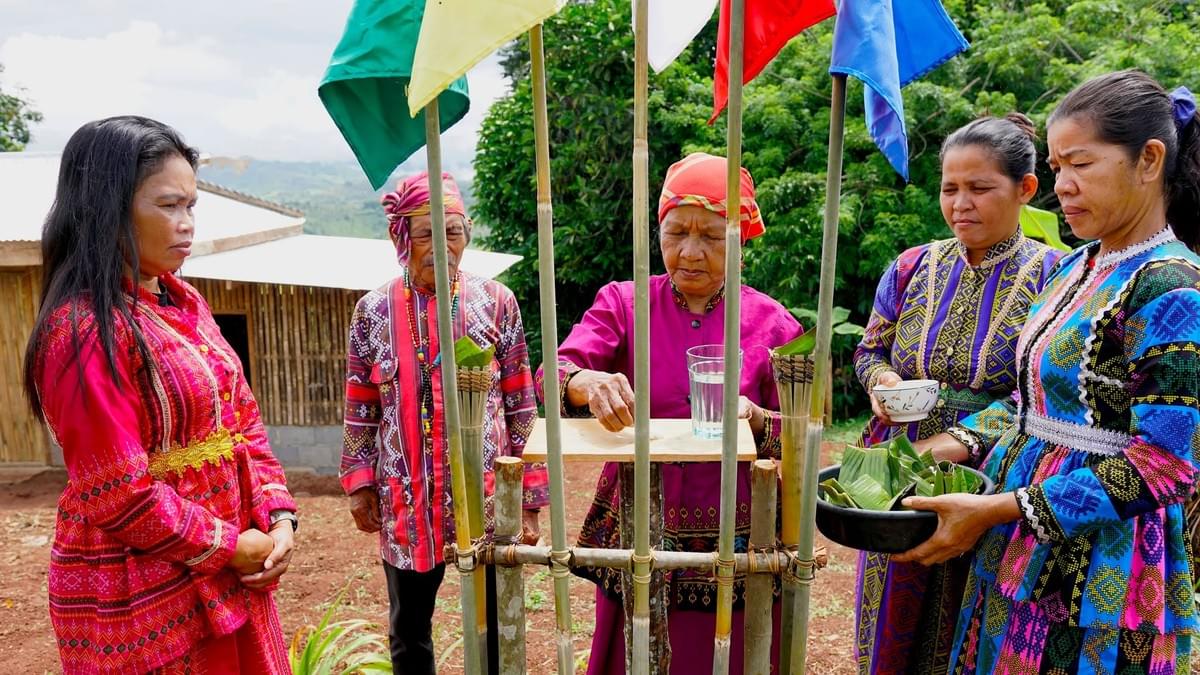
Each kiwot stores many varieties of Indigenous seeds, including rice, corn, vegetables, fruits, and medicinal plants. Indigenous seeds are adapted to the soil and climate. Rituals led by Indigenous leaders must be conducted for each seed and its planting to ensure strong and abundant cultivation and harvest, as well as the proper preparation of the seeds for the next planting season.
For Teduray and Lambangian women, storing seeds is important to protect and pass them on to future generations. They also hope that these seeds will not be replaced or mixed with modern seeds offered by corporations and traders. For them, caring for seedbanks is a responsibility of the entire community, so that hunger in their communities can ultimately be ended by multiplying the seeds that will be planted, ensuring that every family has enough food.
In seeking ways to alleviate the struggle brought by the food and environmental crises, the answer may lie within our own Indigenous communities. The solutions to challenges in food security, the environment, and identity are in our own hands, in the seeds that our ancestors cared for and passed down to us. That is why it is important to protect and support our indigenous seeds.